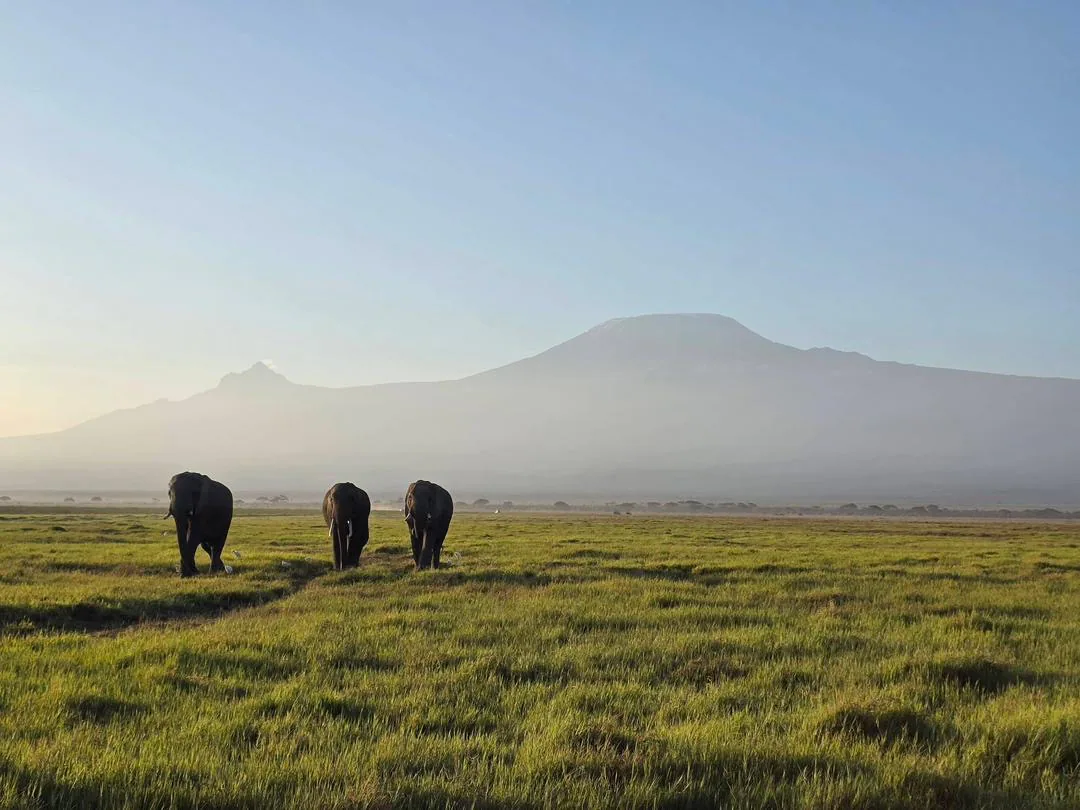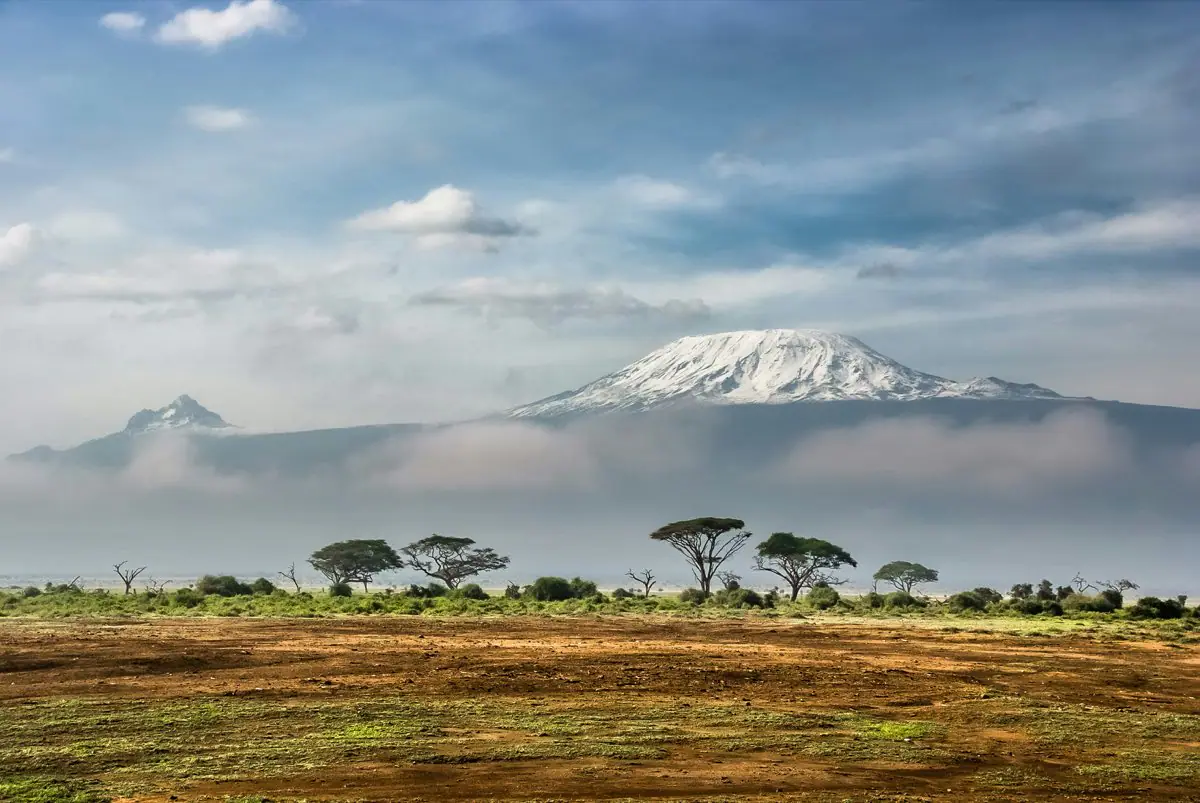
Mount Kilimanjaro snow-capped peak at sunrise

Climb Africa's Highest Peak

5,895 metres. Five routes. Expert local guides who know every trail, every camp, and every sunrise view on the mountain.

Kilimanjaro Trekking Routes

Each route offers a different experience. Longer routes give better acclimatization and higher summit success rates.
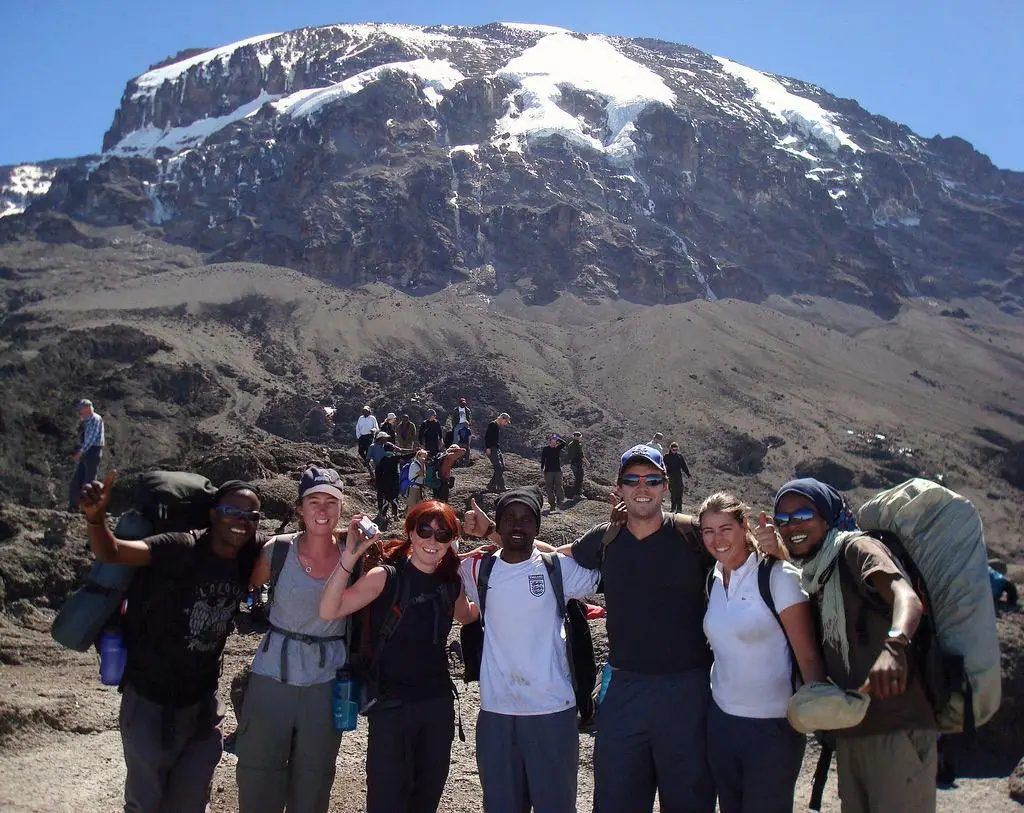
Trekkers on the Marangu route approaching Kilimanjaro summit

Marangu Route

6 Days Moderate From $1,450

Known as the "Coca-Cola route," Marangu is the only route with hut accommodation instead of tents. The most straightforward path to the summit, ascending and descending on the same trail. Good for trekkers who prefer sleeping in huts.
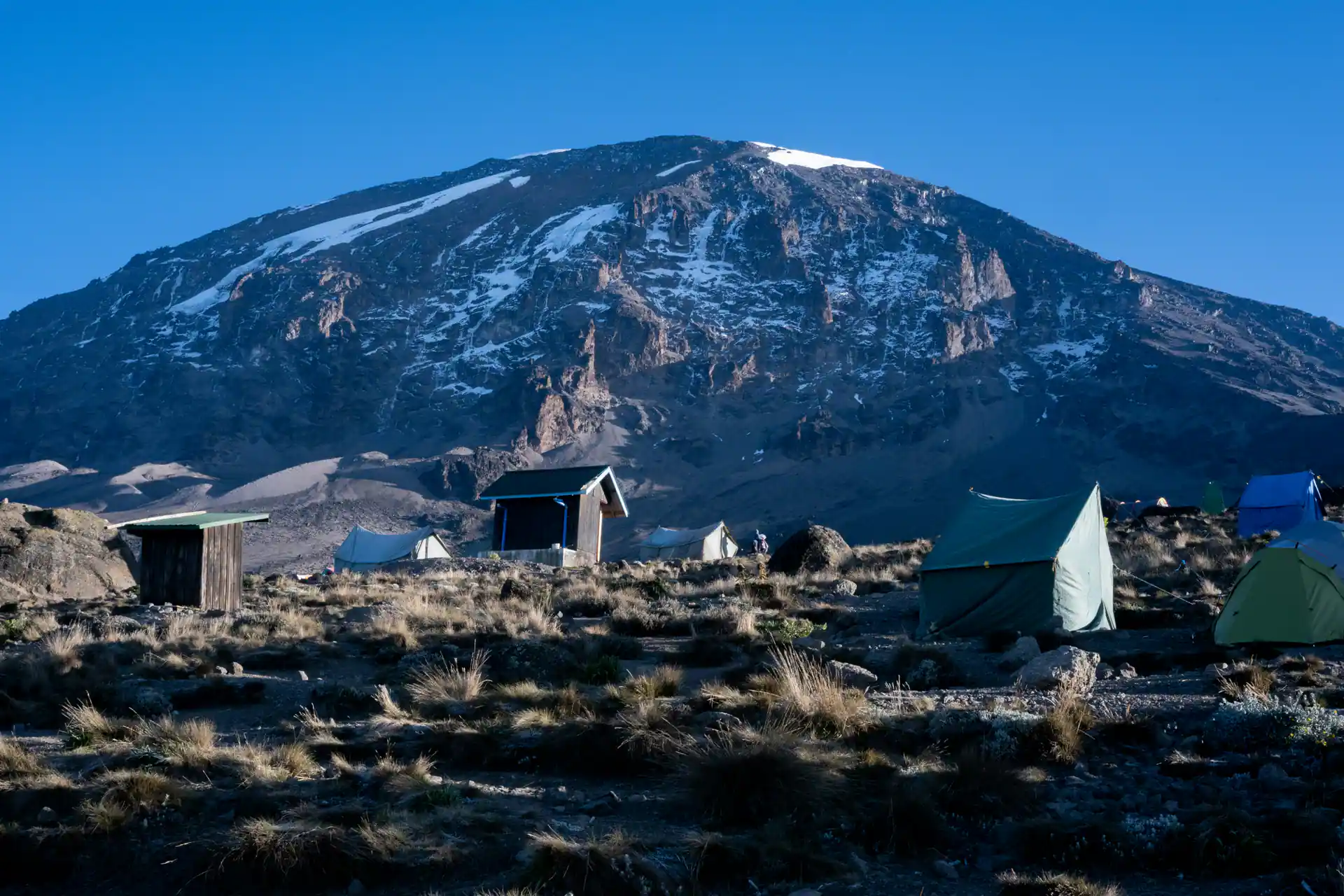
Trekkers on the Machame route through lush rainforest

Machame Route

7 Days Challenging From $1,750

The most popular route on Kilimanjaro and often called the "Whiskey route." Machame offers stunning scenery through five distinct climate zones, from rainforest to arctic ice. The "climb high, sleep low" profile gives excellent acclimatization.
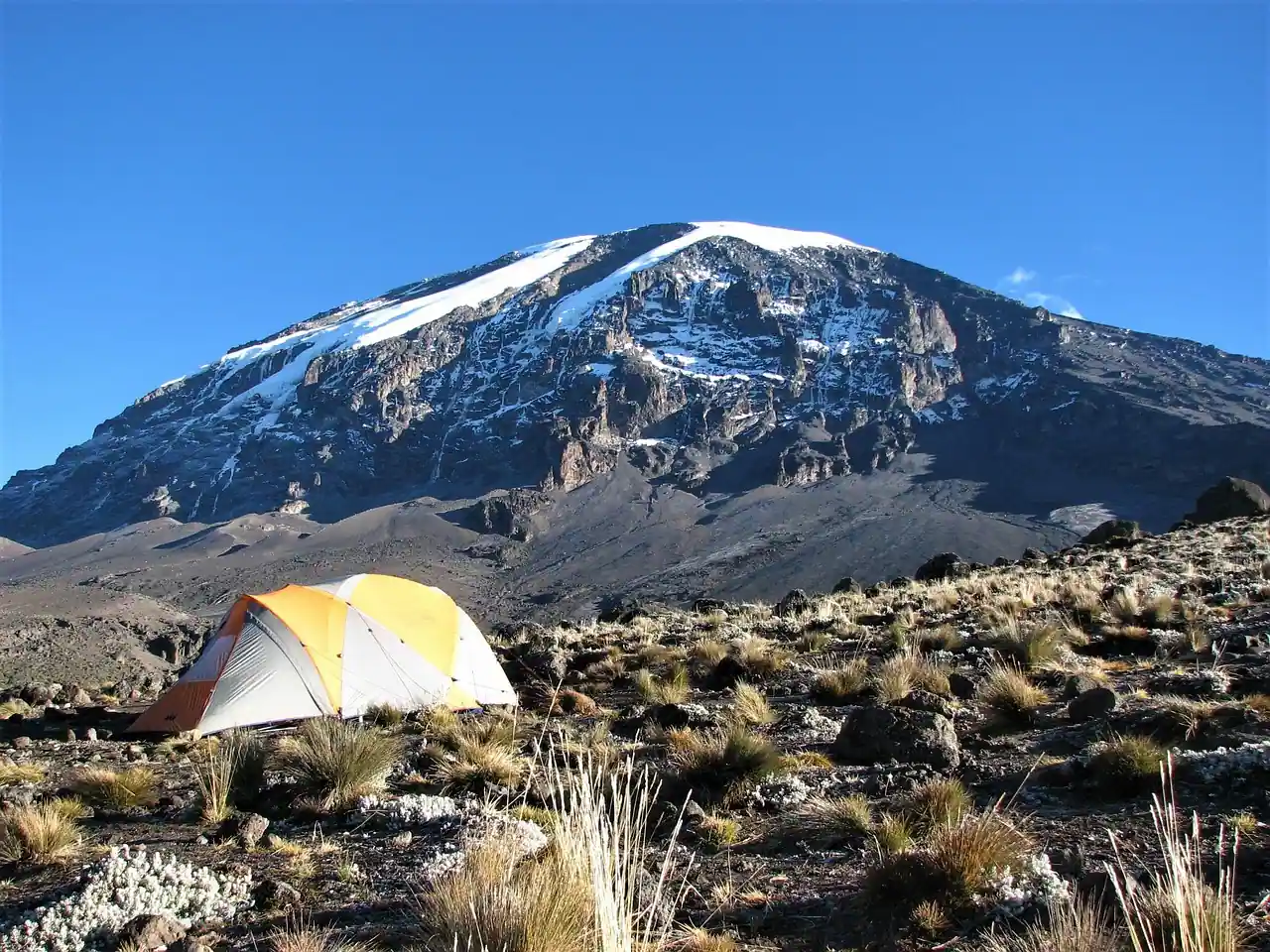
Panoramic views from the Lemosho route on Kilimanjaro

Lemosho Route

7 Days Challenging From $2,100

Our most recommended route. Lemosho approaches from the west with fewer crowds and one of the highest summit success rates on the mountain. The scenic Shira Plateau offers views that no other route can match. Best for those who want a premium trekking experience.
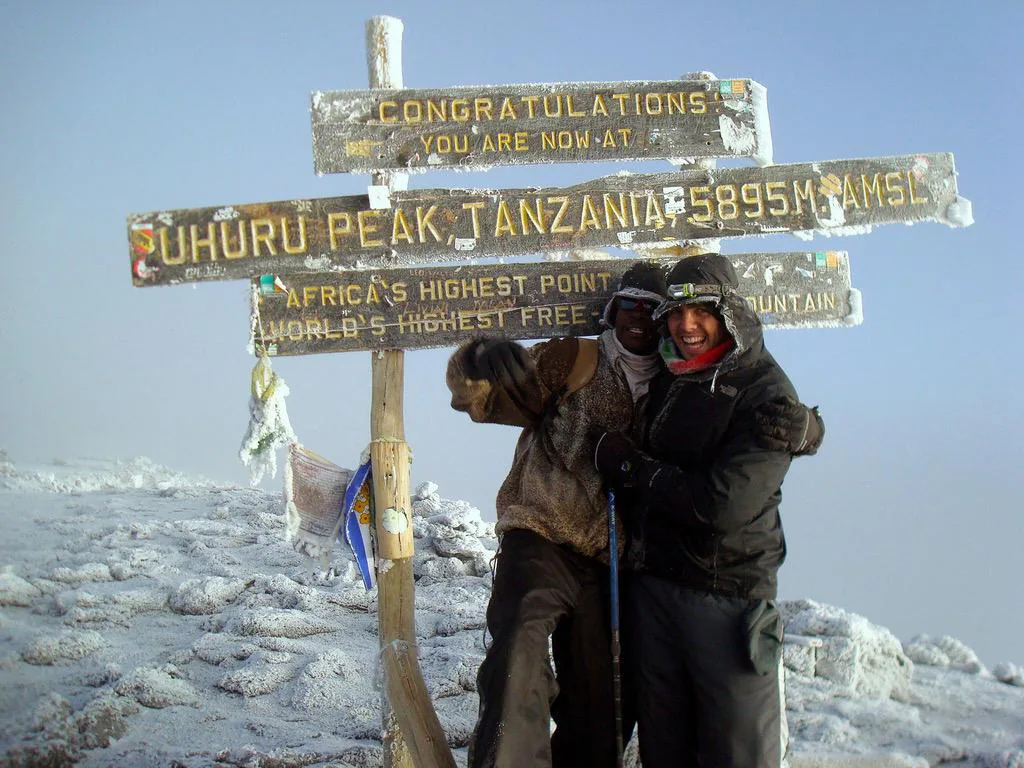
Rongai route approaching Kilimanjaro from the north

Rongai Route

7 Days Moderate From $1,700

The only route approaching from the north, near the Kenya border. Rongai is the driest route and the best choice during the rainy season. Quieter than Machame or Marangu, with a gentle, steady incline and views of the Kenyan plains.
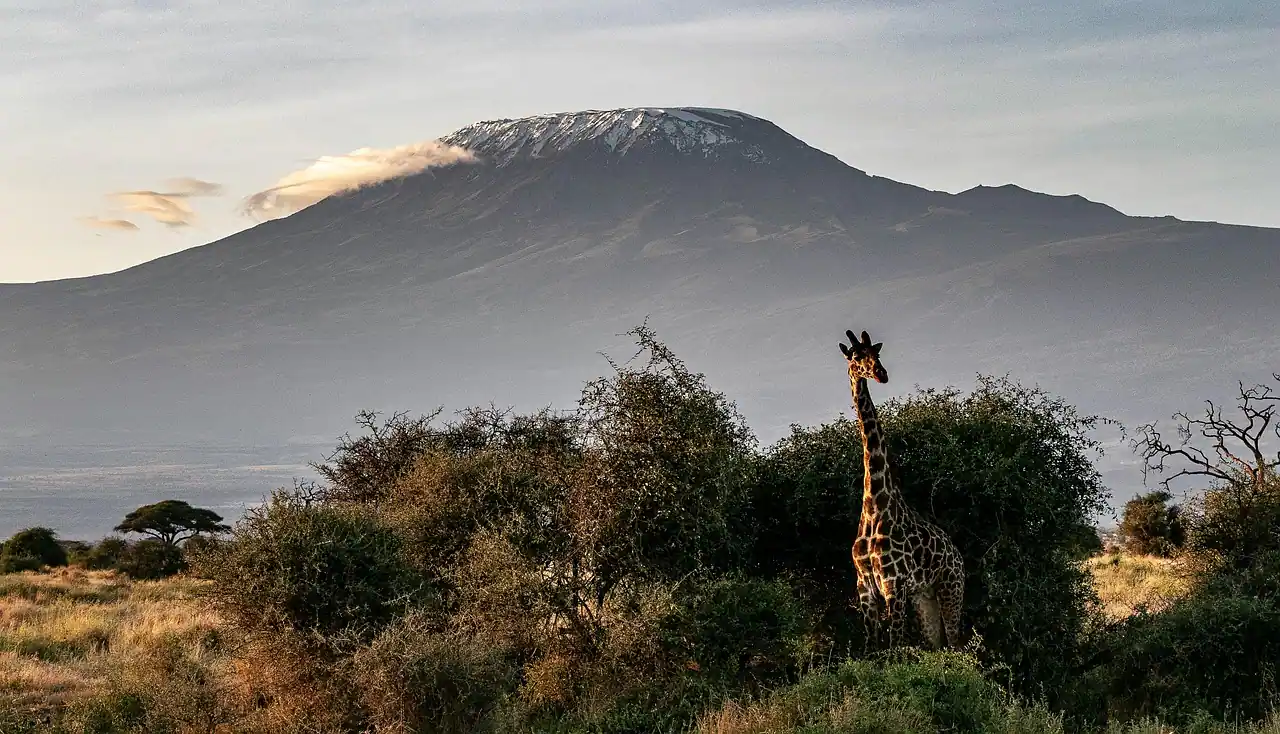
The Northern Circuit route traversing Kilimanjaro

Northern Circuit Route

9 Days Challenging From $2,600

The longest and most remote route on Kilimanjaro. Nine days circumnavigating the mountain with the best acclimatization profile and highest success rate. You will have sections of the trail entirely to yourself. For trekkers who want the ultimate Kilimanjaro experience.

Kilimanjaro FAQ

Yes. Kilimanjaro is a non-technical mountain, which means you do not need mountaineering or climbing experience. However, it remains a demanding high-altitude trek that requires proper preparation, route selection, and mental readiness.
You do not need elite athletic fitness, but solid physical condition is important. Cardiovascular endurance, leg strength, and the ability to hike for several hours a day are key. We recommend training at least 6 to 8 weeks before your climb, focusing on hiking, cardio, and leg strength. Altitude affects individuals differently regardless of fitness level.
Most trekkers find summit night the most challenging part. It involves hiking at very high altitude in cold, dark conditions, usually after limited sleep. The combination creates significant physical and psychological demands. Proper acclimatization on longer routes makes this much more manageable.
Altitude sickness happens when your body struggles to adapt to lower oxygen levels at high elevation. Symptoms include headache, nausea, dizziness, fatigue, appetite loss, and breathing difficulty. Proper acclimatization, hydration, and pacing are key. This is why we recommend longer routes (7 to 9 days) that allow gradual altitude gain.
It depends on your goals. Lemosho is often chosen for its scenery and acclimatization. Machame is popular and scenic with a good success rate. Marangu is the classic hut route and the most affordable. Rongai is quieter and the best option in the rainy season. The Northern Circuit (9 days) offers the best acclimatization and highest success rate. Contact us and Aaron will recommend the right route for you.
Most itineraries range from 6 to 9 days on the mountain. Longer routes generally offer better acclimatization and a higher summit success rate. The Marangu route takes 6 days, Machame, Lemosho, and Rongai take 7 days, and the Northern Circuit takes 9 days.
Essential items include layered clothing for multiple climate zones, warm summit gear, waterproof jacket and trousers, gloves, warm hat, sturdy broken-in hiking boots, sleeping bag (rated to at least minus 10 degrees Celsius), trekking poles, headlamp, sunscreen, refillable water bottle, and personal medications. We provide all camping equipment, tents, and meals.
You will be accompanied by professional mountain guides and a full support crew, including porters and a cook. Health monitoring takes place throughout the trek, with first aid supplies and emergency oxygen available. Our porters are well-equipped, fairly paid, and follow Kilimanjaro porter welfare guidelines.
Your guide team will assess the situation and always prioritize your safety. If needed, you will descend with crew support to a lower altitude or the gate. This is why travel insurance covering high-altitude trekking and medical evacuation is essential for every Kilimanjaro climber.
Kilimanjaro summit landscape

Ready to Climb?

Tell us your preferred dates and fitness level. Aaron will recommend the right route and build your perfect Kilimanjaro itinerary.

WhatsApp Us Send Enquiry