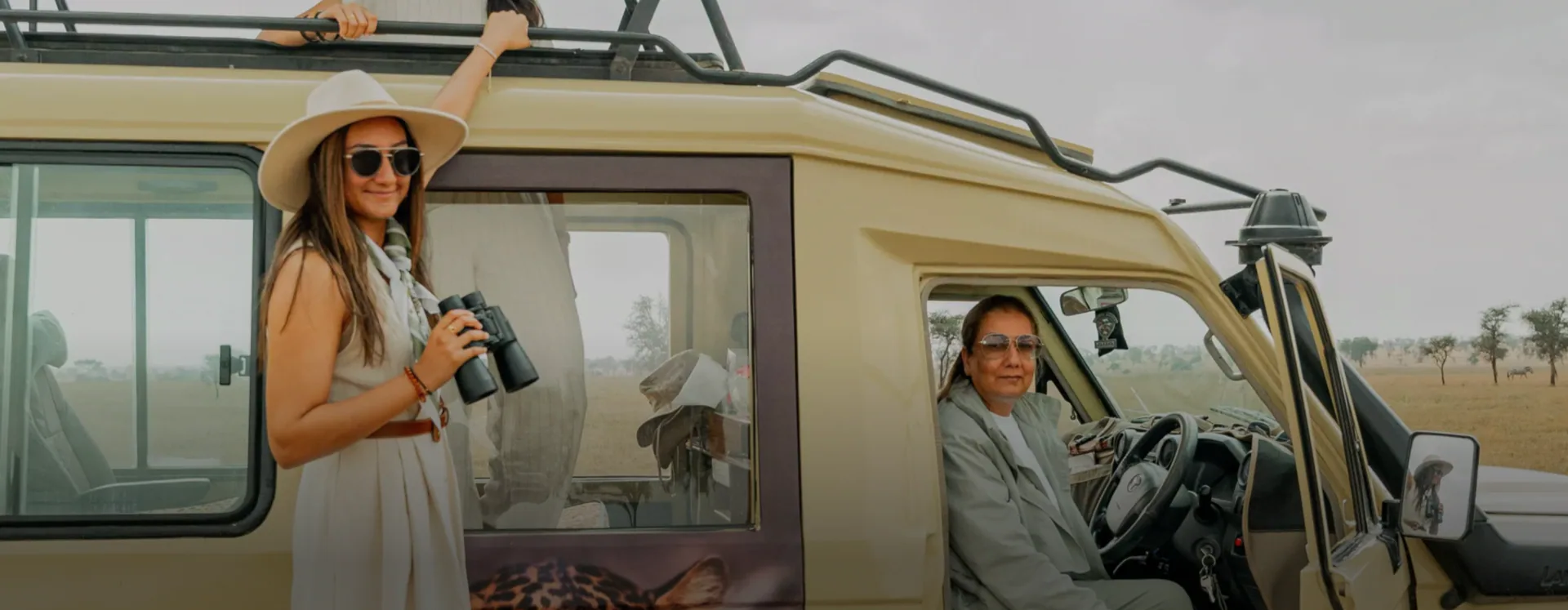
Tanzania safari landscape with wildlife at golden hour

Tanzania Safari FAQ

The answers we get asked most often, from booking and budgets to wildlife, weather and what to pack.

Before You Book

How our safaris are designed, paid for, and confirmed.

Yes. Every safari we run is tailor-made. Tell us your dates, interests, group size and budget, and we will build an itinerary around you. Aaron and the team plan each trip personally. Nothing is templated.
Absolutely. Families are very welcome. We recommend a minimum age of around six for shared family safaris. For longer or more remote trips we suggest age twelve and up. We can adapt game-drive times, lodge choice, and pacing to keep children comfortable and engaged.
We offer three tiers: Camping safaris in serviced mobile camps, Comfort safaris in mid-range lodges and tented camps, and Luxury safaris in premium lodges with pools, spas and private decks. You can also mix tiers across a single itinerary.
Almost all of our safaris are private. Just you, your group, your guide and your vehicle. This means flexible timings, guaranteed window seats and no strangers to share with. Small joining groups can be arranged on request.
Yes. Aaron and most of our team grew up in Arusha. You travel with locals every day. We can also build Maasai village visits, coffee farm tours near Karatu, and community experiences into your itinerary.
Three to six months in advance is ideal, and longer for peak season (June to October) or Migration safaris when lodges fill up fast. Last-minute bookings are sometimes possible. Message us on WhatsApp and we will check availability.
A 30% deposit confirms your booking, with the balance due 30 days before arrival. We accept bank transfers, Wise, and major credit cards (Visa and MasterCard) through a secure payment link. Card payments include a small processing fee.
Included: park entry fees, accommodation, meals on safari, bottled water, transfers, fuel, your 4x4 Land Cruiser and your professional guide.
Not included: international flights, Tanzania visa, tips, drinks outside camp, optional activities (balloon safari, cultural visits) and travel insurance.
Yes. We strongly recommend comprehensive travel insurance covering medical evacuation, trip cancellation and lost luggage. For Kilimanjaro climbs, your policy must cover trekking up to 6,000 metres. We can recommend trusted providers if needed.

Staying Safe and Well

Practical information on health, safety, water and bugs.

Yes. Tanzania is one of the most stable and welcoming countries in East Africa. Our vehicles are serviced weekly, every guide is certified in wilderness first aid, and we are fully licensed by the Tanzania Tourism Board. We drive these roads every week and know them well.
Speak to a travel doctor at home four to six weeks before you fly. Most travellers take antimalarial tablets. A yellow fever certificate is required if you are arriving from a country with yellow fever risk. Routine vaccines should be up to date.
We provide free bottled water in the vehicle on every game drive and at camp. Tap water is not recommended for drinking. All lodges and camps we use serve filtered or bottled water for guests.
Fewer than people expect. Mosquitoes appear mainly at dusk in lower-altitude areas. Tsetse flies turn up in a few specific zones. A long-sleeved shirt at sunset, plus a DEET-based repellent, handles almost everything. All our camps and lodges use mosquito nets.

Animals, Parks & The Migration

What to expect from the wildlife of northern Tanzania.

Northern Tanzania, without question. The Serengeti, Ngorongoro Crater, Tarangire and Lake Manyara form the classic northern circuit and hold one of the densest concentrations of wildlife on Earth. Ngorongoro Crater is a UNESCO World Heritage Site.
On a typical northern circuit safari you will see lion, elephant, giraffe, zebra, wildebeest, buffalo, hippo, warthog, baboon, antelope and a huge variety of birds. Leopard and cheetah sightings are very common. Rhino is possible inside Ngorongoro Crater.
Tanzania offers excellent wildlife viewing all year. June to October is the dry season with the easiest game viewing. January to March is calving season in the southern Serengeti, which is incredible for predators. We adjust each itinerary to the migration and the season you travel in.
The Great Migration is the year-round movement of around two million wildebeest, zebra and gazelle in a clockwise loop through the Serengeti and into the Maasai Mara. It is not a single event. It happens every day. We design specific Migration itineraries based on where the herds are during your travel dates.
Hakuna matata. The Serengeti and Ngorongoro Crater hold extraordinary resident wildlife all year, including lions, elephants, leopards, cheetahs and more. Many of our guests rate a non-migration trip just as memorable as a migration one.

On the Ground in Tanzania

Food, weather, packing, visas, arrivals and tipping.
Surprisingly good. Lodges and tented camps serve fresh, varied meals, usually buffet style with soups, salads, grilled meats, pasta, fresh fruit and dessert. Our camping safaris carry a dedicated bush chef who cooks three hot meals a day from scratch.
Yes. Vegetarian, vegan, gluten-free, halal, kosher, nut-free and diabetic-friendly meals can all be arranged with advance notice. Tell us when you book and we will make sure every camp and lodge is prepared.
Northern Tanzania is sunny and mild most of the year. Daytime highs in the parks are usually 22-28°C (72-82°F). Mornings on game drives can be cool, especially in the Crater. Long rains fall mid-March through May, short rains in November. We work around the weather when planning your dates.
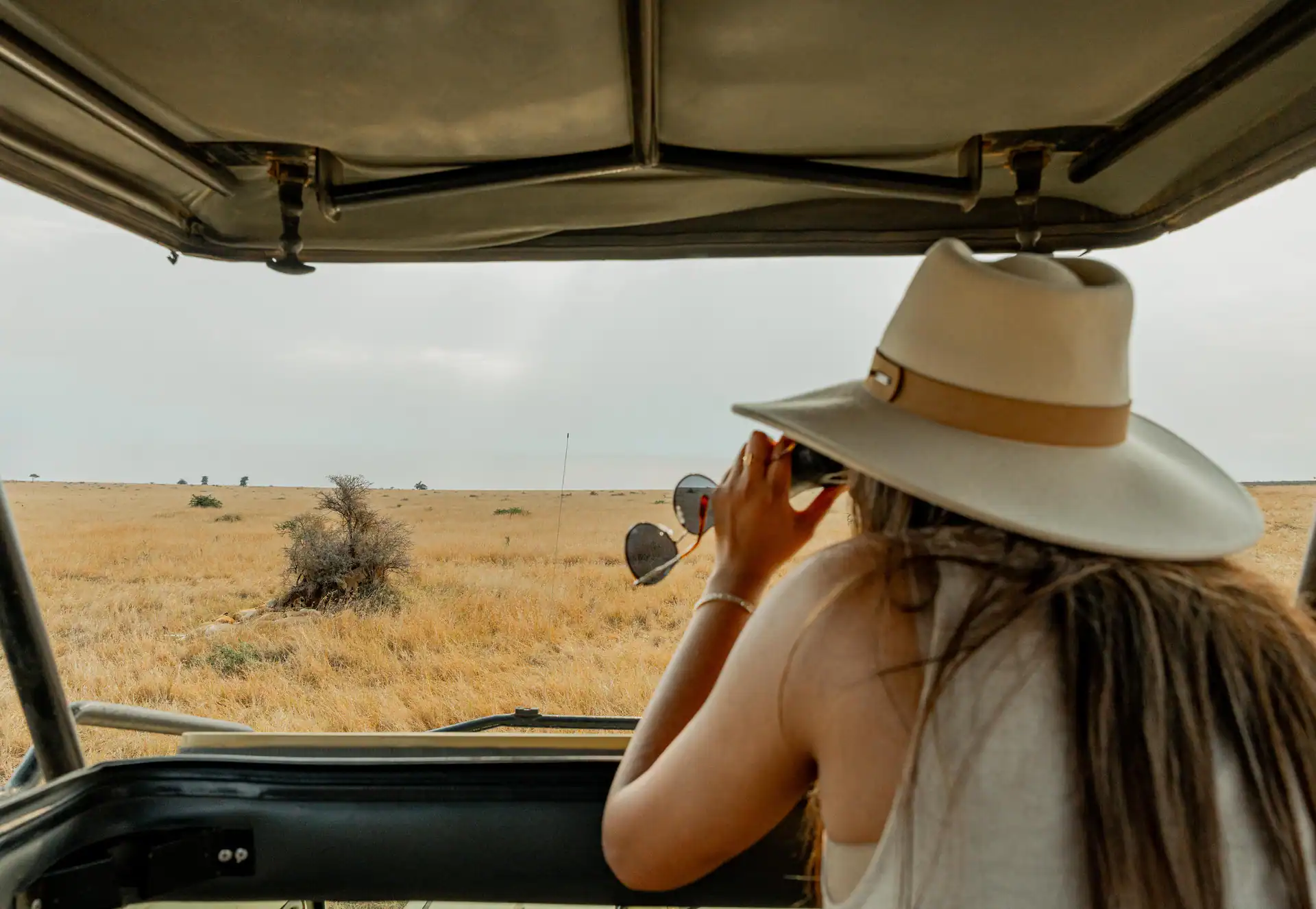
Neutral colours (khaki, olive, beige), a warm fleece for early mornings, a light rain jacket, sunhat, sunglasses, sunscreen, binoculars, a good camera and comfortable walking shoes. Avoid bright white, black and dark blue. We send a full packing list when you confirm your safari.
Most travellers do. The easiest option is the Tanzania e-visa, applied for online before you fly (allow two to three weeks). A single-entry tourist visa is around $50 USD, or $100 for US citizens. Visas on arrival are also available at Kilimanjaro International Airport.
Fly into Kilimanjaro International Airport (JRO). We meet you at arrivals and drive you to your hotel in Arusha or directly to your first park. Our base is in Mateves, Arusha, about an hour from the airport.
Tipping is appreciated but not mandatory. As a guideline, $20-30 USD per guest per day for your safari guide, and $10-15 per day total for camp and lodge staff. On Kilimanjaro, porter and guide tips are larger and we provide a full guideline when you book.
Tanzania safari landscape

Still Have Questions?

If you didn't find the answer here, send us a message. Aaron or one of the team will reply personally within 24 hours.

WhatsApp Us Send Enquiry